A simple routine beats a complicated one.
Your flock does not need constant attention, but it does need consistent attention. Visit the coop at least every morning and evening. Slow down long enough to notice what is normal for your birds—how they move, eat, drink, vocalize, and settle at night.
Morning checklist
- Observe before opening the coop
- Count every bird
- Provide cool, fresh water
- Check dry, age-appropriate feed
- Collect eggs
- Remove wet bedding and spills
- Inspect fencing and latches
- Watch each bird walk and eat
The morning visit, step by step.
Watch the flock before stepping in.
Pause outside the coop or run. Healthy chickens are usually alert and interested in what is happening. Look for a bird standing alone, remaining on the roost, breathing with an open beak in mild weather, holding a wing oddly, or refusing to move toward feed and water.
Count the flock every time. A missing bird may be hiding, trapped, broody, injured, or evidence of a predator problem.
Refresh the water.
Chickens need continuous access to clean water. Empty obvious debris, rinse the drinking surface, and refill with fresh water. Scrub slime or algae rather than simply topping off the container.
In summer, place water in shade and check it again during the hottest part of the day. In freezing weather, confirm that the drinking surface is not iced over. Keep electrical cords and heated equipment protected from pecking, moisture, and bedding.
Check the feeder and the feed.
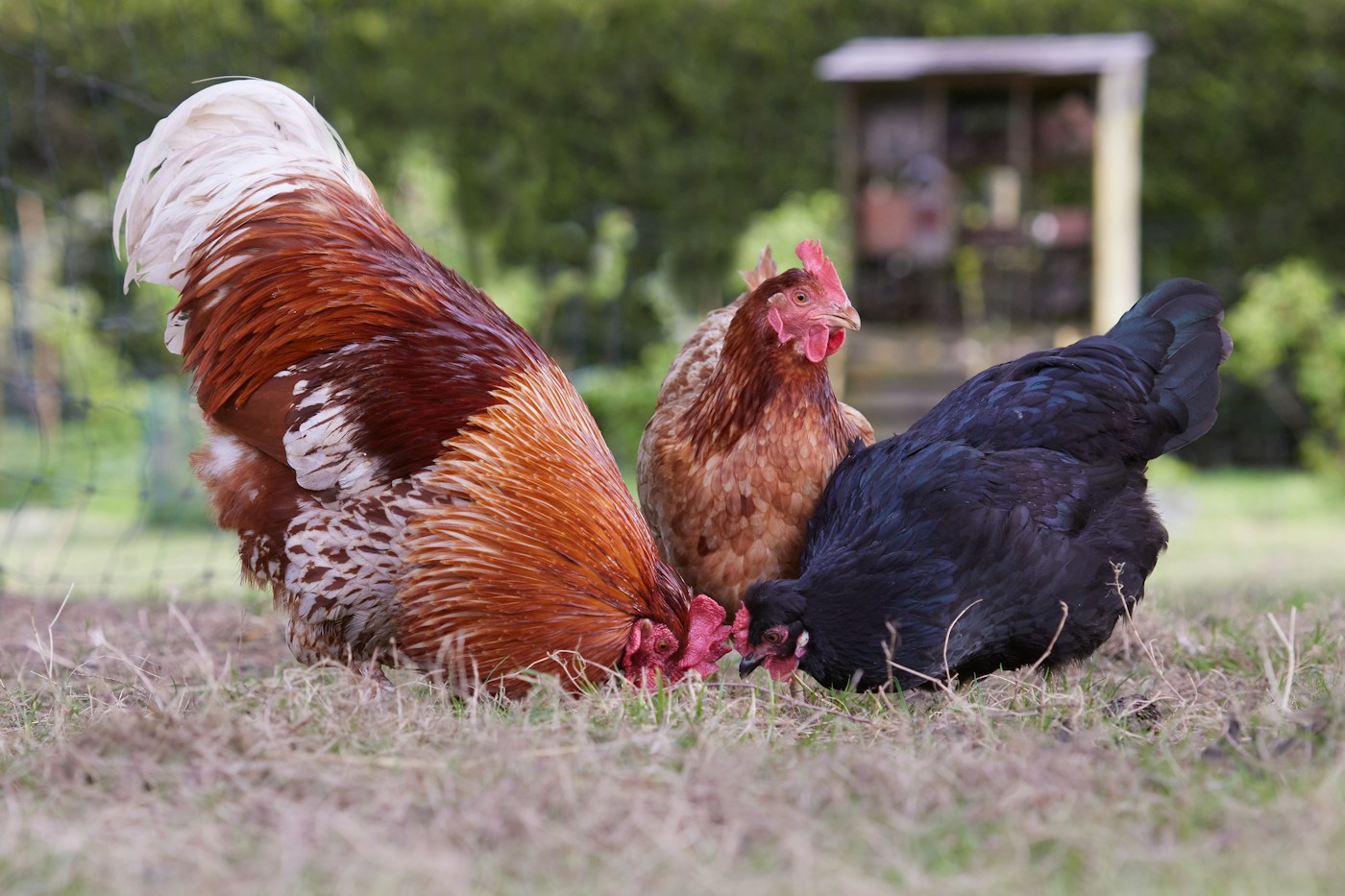
Offer a complete poultry ration that matches the birds’ age and production stage. Check that every bird can reach the feeder and that the feed is dry, fresh, and free of mold or droppings. Remove damp clumps immediately.
Keep feed in a sealed, rodent-resistant container. Clean spilled feed so it does not attract mice, rats, wild birds, or insects. Treats and scratch grains should remain extras, not replacements for a balanced ration.
Collect eggs and check the nest boxes.
Collect eggs at least once daily and preferably more often during very hot or freezing conditions. Remove broken eggs and heavily soiled nesting material. A dry, clean nest reduces cracked and dirty eggs and discourages egg eating.
Notice changes in egg number, shell quality, size, or shape. One unusual egg is often not an emergency, but a repeated pattern can point to nutrition, stress, age, illness, or lighting changes.
Spot-clean the coop and run.
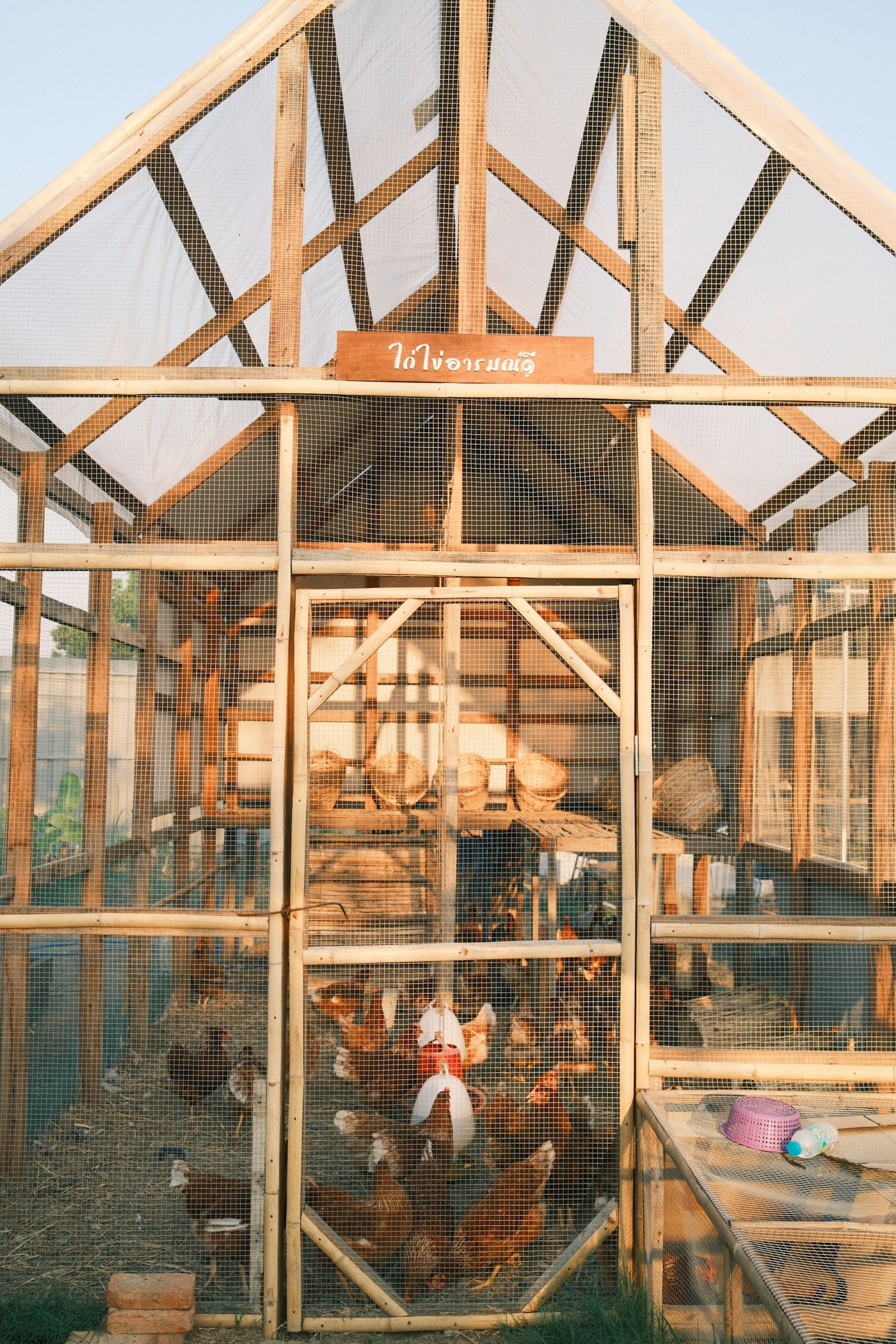
Remove wet bedding, manure buildup under roosts, spilled water, and spoiled feed. The coop should smell earthy—not sharply of ammonia. Good ventilation removes moisture and stale air while keeping birds out of direct drafts at roost height.
Look for fresh digging, loose wire, chewed wood, gaps at doors, and latches a raccoon could manipulate. Repair small weaknesses before nightfall.
Give every bird a ten-second health check.
You do not have to catch every chicken each day. Watch each bird walk, eat, drink, and interact. Then look more closely at any bird that behaves differently.
- Eyes and nostrils: clear, open, and free of discharge.
- Breathing: quiet and effortless, without coughing, wheezing, or repeated head shaking.
- Comb and wattles: appropriate color for the bird, without sudden swelling, blackened tips, or injury.
- Feathers and skin: no active bleeding, bald patches from pecking, or heavy parasite activity.
- Feet and legs: even weight-bearing, no limping, swelling, or dark scab on the footpad.
- Vent and droppings: vent reasonably clean; droppings consistent with the bird’s usual range.
- Body condition: breast muscle should not be rapidly wasting and the abdomen should not appear suddenly enlarged.
Act promptly when you see these signs.
- Labored breathing, gasping, blue or purple comb, or severe weakness
- Inability to stand, major injury, uncontrolled bleeding, or suspected predator attack
- Bloody droppings, repeated vomiting or regurgitation, or a rapidly swollen abdomen
- Several birds becoming ill at once, a sudden sharp drop in eating or drinking, or unexpected deaths
Separate a sick or injured bird in a quiet, secure area with appropriate food and water, then contact an avian veterinarian or your local Extension office. Sudden unexplained deaths or multiple sick birds may require reporting to animal-health authorities.
The evening lockup.
- Collect any remaining eggs.
- Confirm every chicken is inside and count the flock.
- Look for a bird sleeping on the floor, isolated from the flock, or unable to reach the roost.
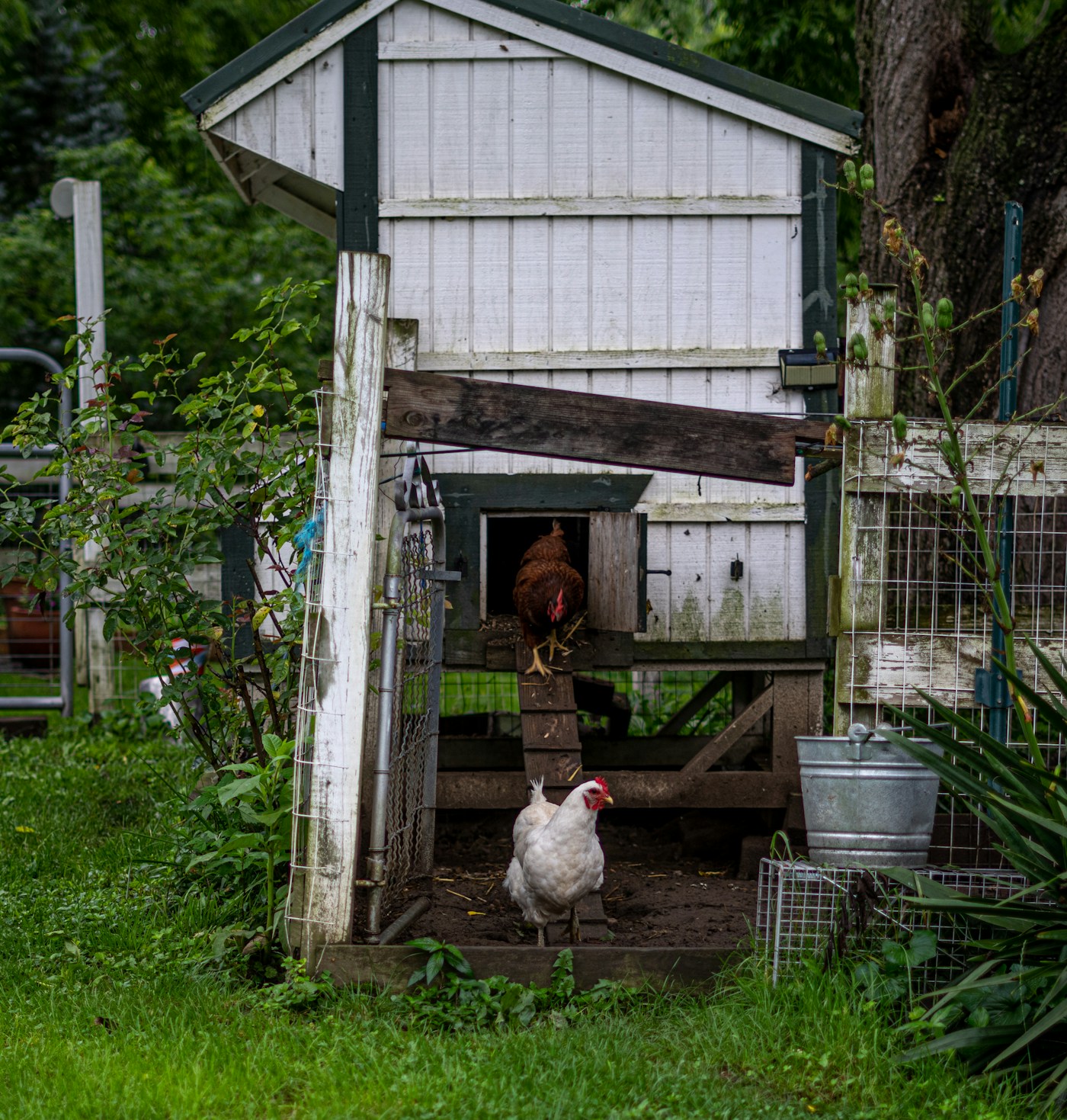
- Close pop doors and secure every latch. Do not rely on chicken wire alone where determined predators are common.
- Check that feed is protected from rodents and wild birds and that safe drinking water remains available.
Weekly care
- Wash feeders and waterers thoroughly
- Replace damp or heavily soiled bedding
- Scrape roosts and droppings boards
- Inspect birds’ feet and body condition
- Check for mites and lice after dark
- Inspect roof, wire, doors, and locks
- Review feed use and egg count
- Clean tools and coop-only footwear
Common mistakes to avoid.
- Topping off dirty water instead of cleaning the drinking surface.
- Leaving wet or moldy feed available because the container still looks full.
- Using treats as a major part of the diet.
- Masking ammonia odor without removing moisture and manure.
- Assuming a quiet bird is simply resting when it repeatedly isolates itself.
- Failing to count birds at night or trusting a single simple latch.
Research-based references
This guide summarizes routine flock-care recommendations from university Extension and poultry-health resources. Local ordinances and veterinary advice should take priority for your flock.
- University of Minnesota Extension: Raising chickens for eggs
- Utah State University Extension: Basics for raising backyard chickens
- Utah State University Extension: Avian influenza awareness
- Penn State Extension: Biosecurity—protecting your birds from disease
Stock photographs are illustrative. Equipment and housing shown may not represent every recommendation in the text.