The safest cleaning method is prevention.
Dry nests, clean litter, frequent collection, and no overnight roosting in nest boxes produce cleaner eggs than washing can. Handle clean and dirty eggs separately, and wash hands before and after egg handling.
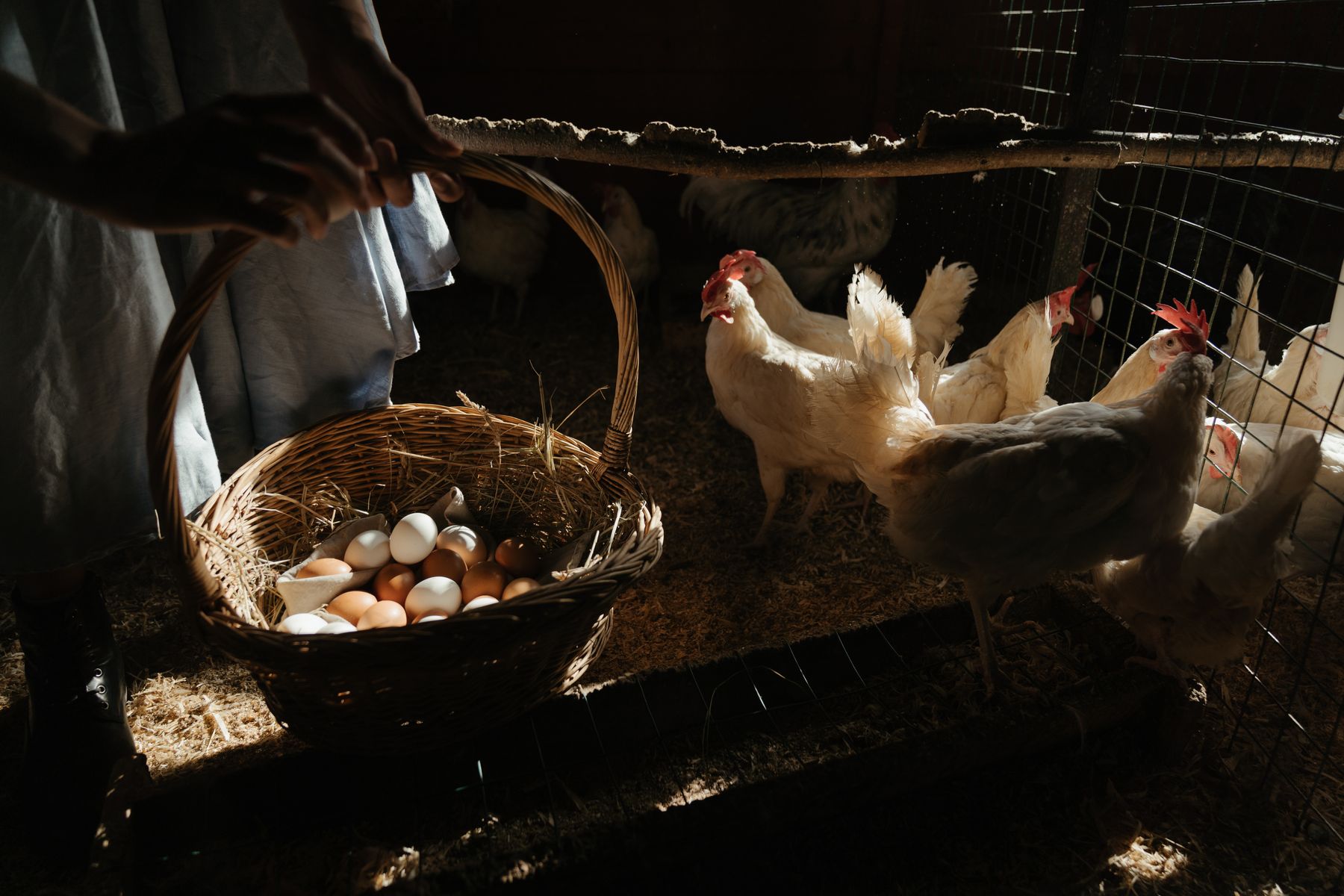
Sort first.
- Clean, sound eggs: place directly in a clean carton.
- Light surface soil: use a gentle dry-cleaning method only if needed, without thinning or scratching the shell.
- Heavy manure or stuck debris: keep separate and follow an approved washing procedure; local sale rules may differ.
- Cracked, leaking, or badly damaged eggs: discard. Do not wash them for storage.
- Unusual but sound eggs: note shell quality and watch for a repeated flock pattern.
If wet cleaning is necessary.
- Wash one egg at a time—do not soak or submerge eggs.
- Use potable water at least 20°F warmer than the egg and at least 90°F.
- Use only food-safe detergent or sanitizer exactly as labeled for egg handling.
- Do not mix chemicals and do not use cold wash water.
- Rinse only as the approved product or Extension procedure directs.
- Dry the shell completely, place it in a clean carton, and refrigerate promptly.
Why temperature matters.
Cold wash water can cause the egg contents to contract and draw contaminated water through shell pores. Submerging eggs increases the same risk. Washing also removes the protective cuticle, so washed eggs must be kept refrigerated.

Carton and refrigerate correctly.
Storage checklist
- Clean, dry carton
- Pointed end down
- Collection date marked
- Interior refrigerator shelf
- 40°F or below
- Oldest eggs used first
A carton limits moisture loss and protects eggs from refrigerator odors and breakage. Avoid the door, where temperature fluctuates. University Extension guidance generally recommends using refrigerated shell eggs within three to five weeks for best quality.
Avoid unsafe shortcuts.
- Do not store cracked or leaking eggs.
- Do not use the float test as a safety test; it estimates age, not contamination.
- Do not leave refrigerated eggs at room temperature and then return them repeatedly; condensation can encourage bacterial movement.
- Do not freeze eggs in the shell. Crack and freeze by an approved method.
- Do not “water glass” raw shell eggs; current Extension guidance does not recommend it.
- Keep refrigerated pickled eggs refrigerated—home-canned shelf-stable pickled eggs are not an approved method.
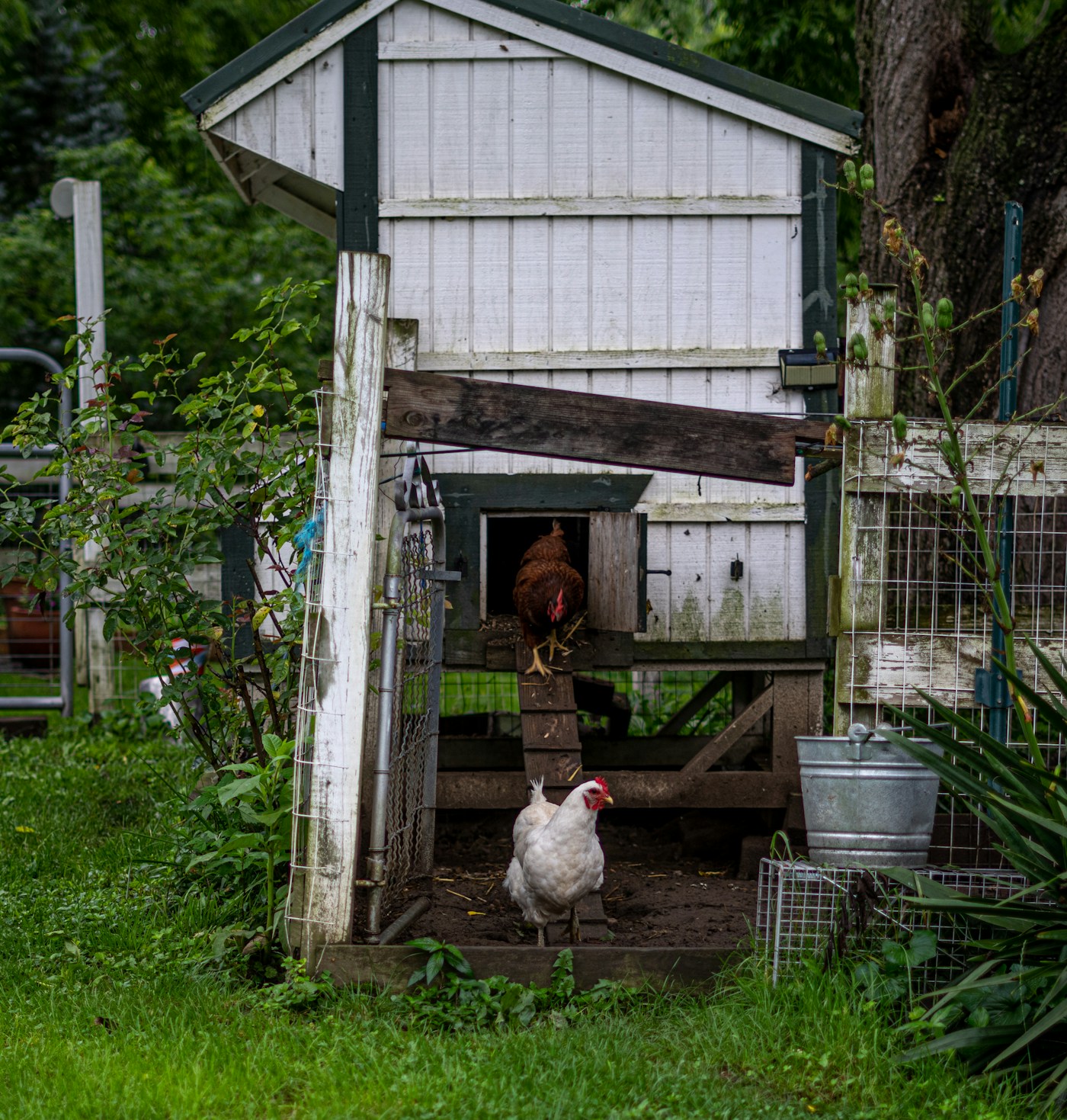
For selling or gifting eggs.
Rules for washing, grading, labeling, refrigeration, reused cartons, and sale locations vary by state and market. Follow current Utah Department of Agriculture and Food requirements and any local rules before selling. A home-use practice is not automatically legal for retail sale.