Small shells deserve a careful sort.
Frequent collection and dry housing produce the safest, cleanest eggs. Handle eating eggs separately from hatching eggs. Refrigerate eating eggs; hatching eggs use a different selection and storage routine.

Sort into four groups.
- Clean and sound: place in a clean quail carton without washing.
- Light surface soil: gently dry clean only if needed, avoiding shell damage.
- Heavily soiled: keep separate; use an approved wet-cleaning method or discard when safe cleaning is impractical.
- Cracked, leaking, soft, or badly damaged: discard and sanitize any contaminated container.
Wet cleaning, only when needed.
- Handle one egg at a time; never soak a bowl of quail eggs.
- Use potable water at least 20°F warmer than the egg and at least 90°F.
- Follow a food-safe egg-washing product label; do not improvise chemical mixtures.
- Minimize rubbing so the thin shell is not damaged.
- Dry completely, place in a clean carton, and refrigerate promptly.
Do not wash hatching eggs with this routine.
Incubation eggs are selected and stored differently. Washing can damage the cuticle and reduce hatchability. Keep eating-egg and hatching-egg containers clearly labeled.
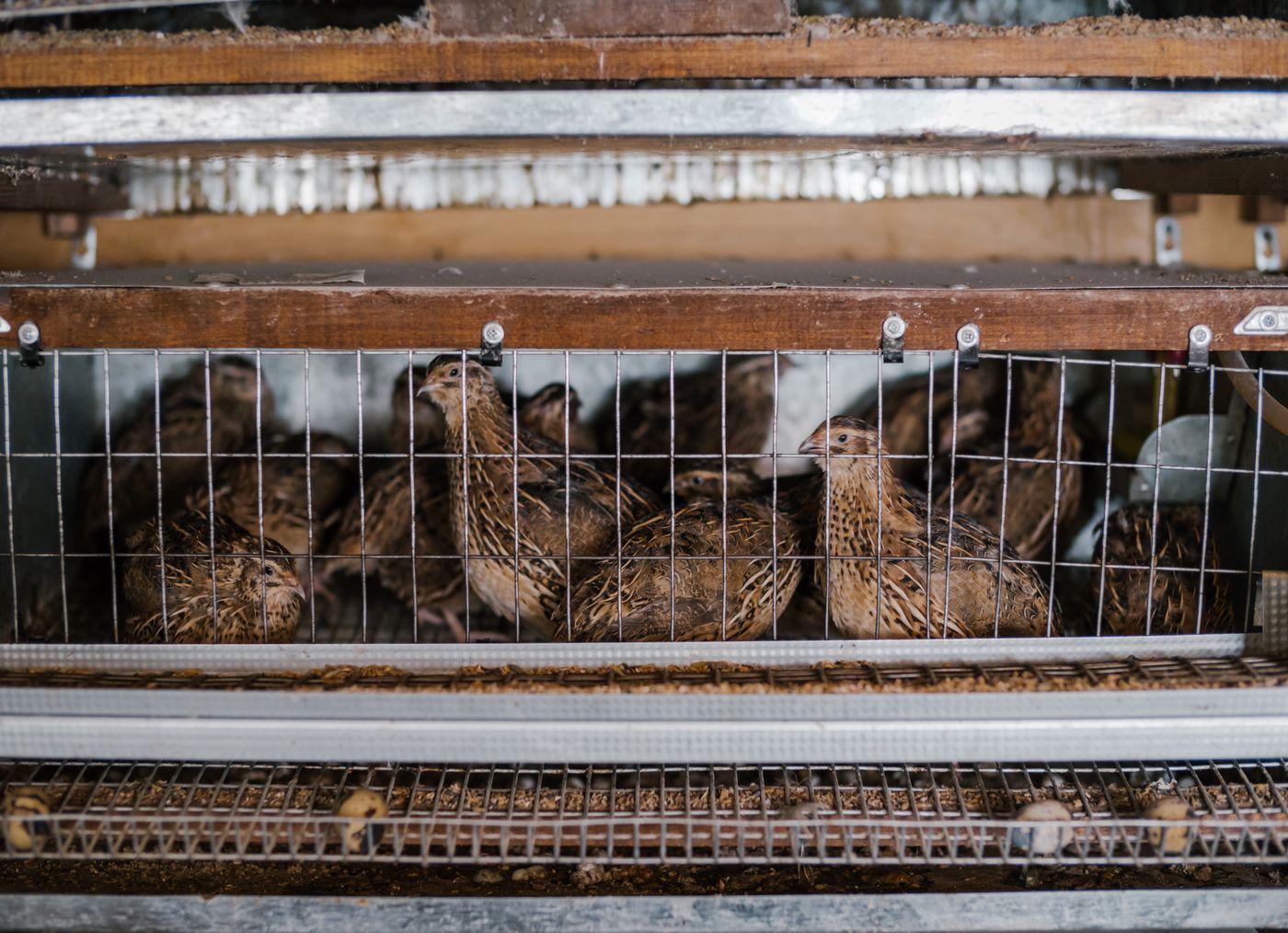
Carton and refrigerate.
Storage checklist
- Fitted quail carton
- Clean and completely dry
- Collection date marked
- Interior refrigerator shelf
- 40°F or below
- Oldest eggs used first
Do not pile quail eggs loose beneath heavier food. A fitted carton limits breakage, moisture loss, and refrigerator odor absorption. Follow the same conservative three-to-five-week refrigerated quality window used for shell eggs, and discard any egg that leaks, smells abnormal after cracking, or has uncertain handling history.
Safe preparation habits.
- Wash hands and clean utensils after touching raw shell eggs.
- Crack each egg into a small separate bowl before adding it to a recipe.
- Keep raw egg away from ready-to-eat food.
- Cook according to current food-safety guidance, especially for children, older adults, pregnant people, and anyone immunocompromised.
- Do not rely on a float test to declare an egg safe.
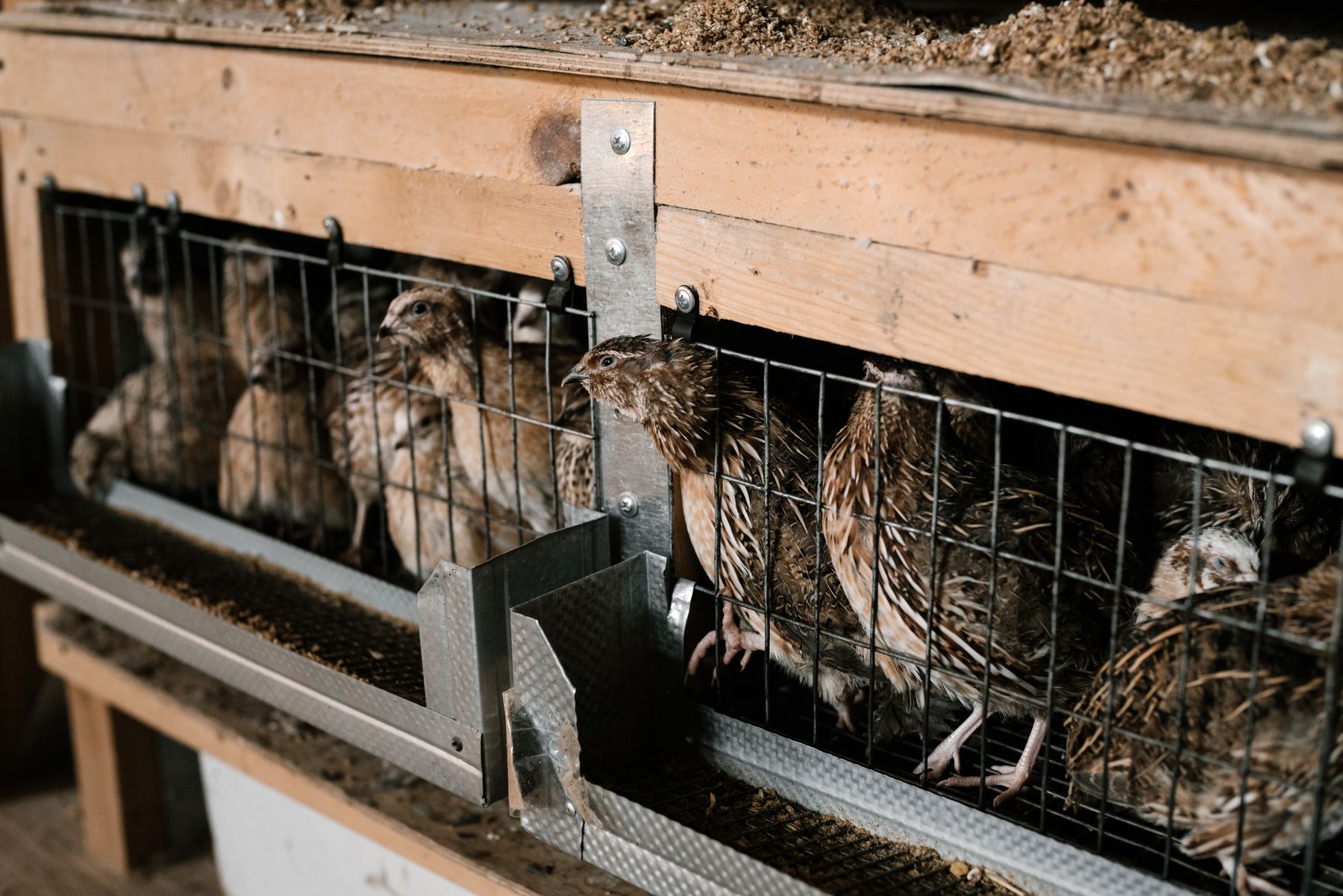
For selling or gifting quail eggs.
Do not assume chicken-egg rules automatically cover quail eggs. Utah requirements may differ by species, sales venue, quantity, washing method, labeling, refrigeration, and whether cartons are reused. Confirm current Utah Department of Agriculture and Food and local requirements before sale.