Make collection a predictable routine.
Most hens lay during the morning, but timing varies. Check after the main morning laying period and again before evening lockup. Add another collection during very hot or freezing weather, when hens are laying heavily, or when broken eggs are attracting pecking.
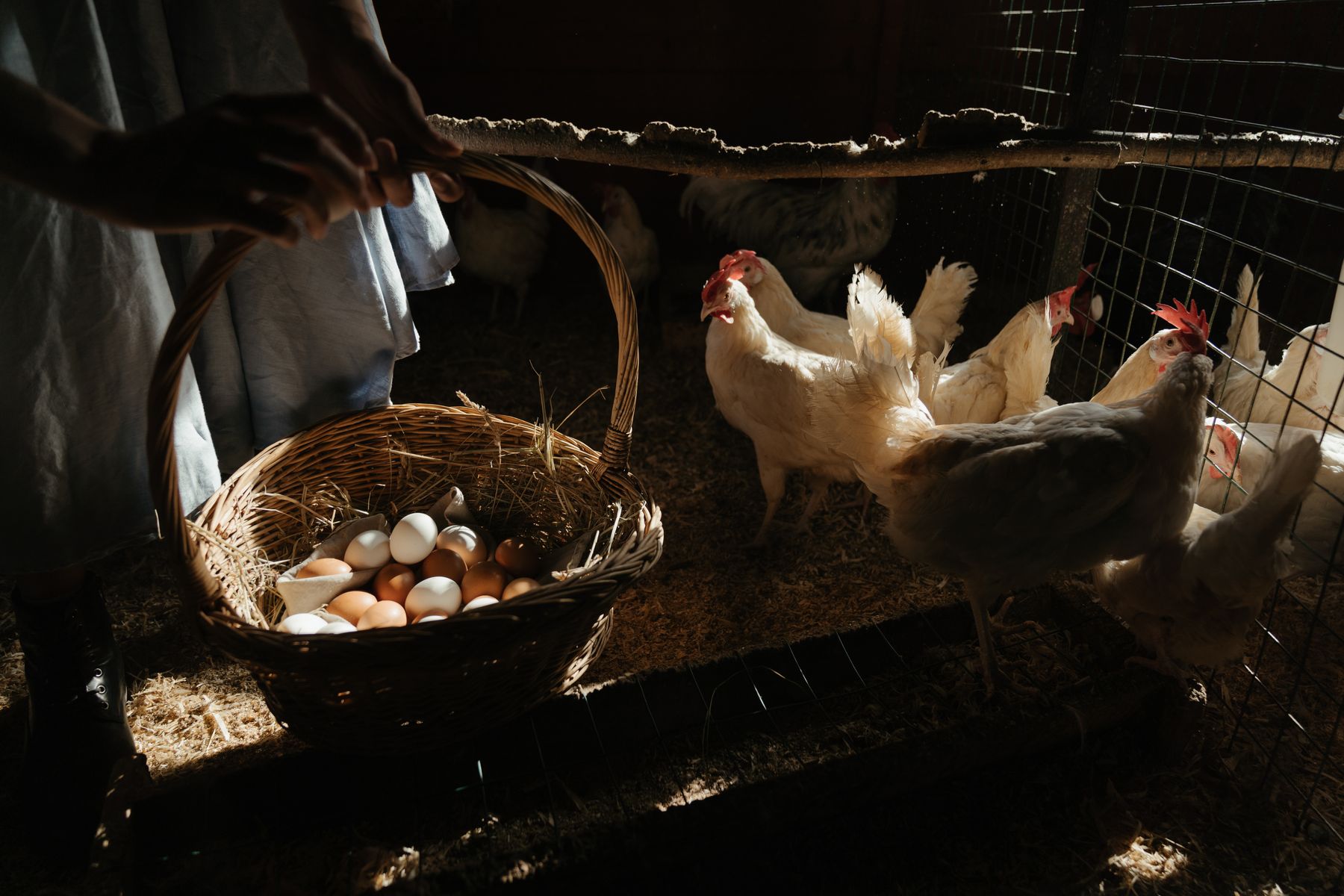
Collection, step by step.
Start with clean hands and a clean container.
Do not place fresh eggs in a basket carrying manure, feed, tools, or yesterday's broken shell. A washable plastic flat is practical; a padded basket works when it is kept clean and shallow enough to prevent stacking damage.
Approach occupied nests calmly.
Do not reach blindly beneath a startled hen. Let her move if possible, or gently lift her enough to see the eggs. A broody or defensive hen may peck; long sleeves and slow movements help.
Collect from every nesting location.
Check standard boxes, floor corners, behind feeders, under shelters, and any outdoor hiding place hens have adopted. Block unsafe hidden nests and make the intended boxes more private, dry, and comfortable.
Inspect before the egg enters the basket.
Look for cracks, leaking contents, thin or soft shells, heavy manure, and unusual shape. Keep questionable eggs separate so they do not contaminate clean ones.
Record and refrigerate.
Mark the collection date on the carton or use a first-in, first-out system. Refrigeration at 40°F or below is the safest storage method. Keep eggs in a carton on an interior shelf rather than the refrigerator door.
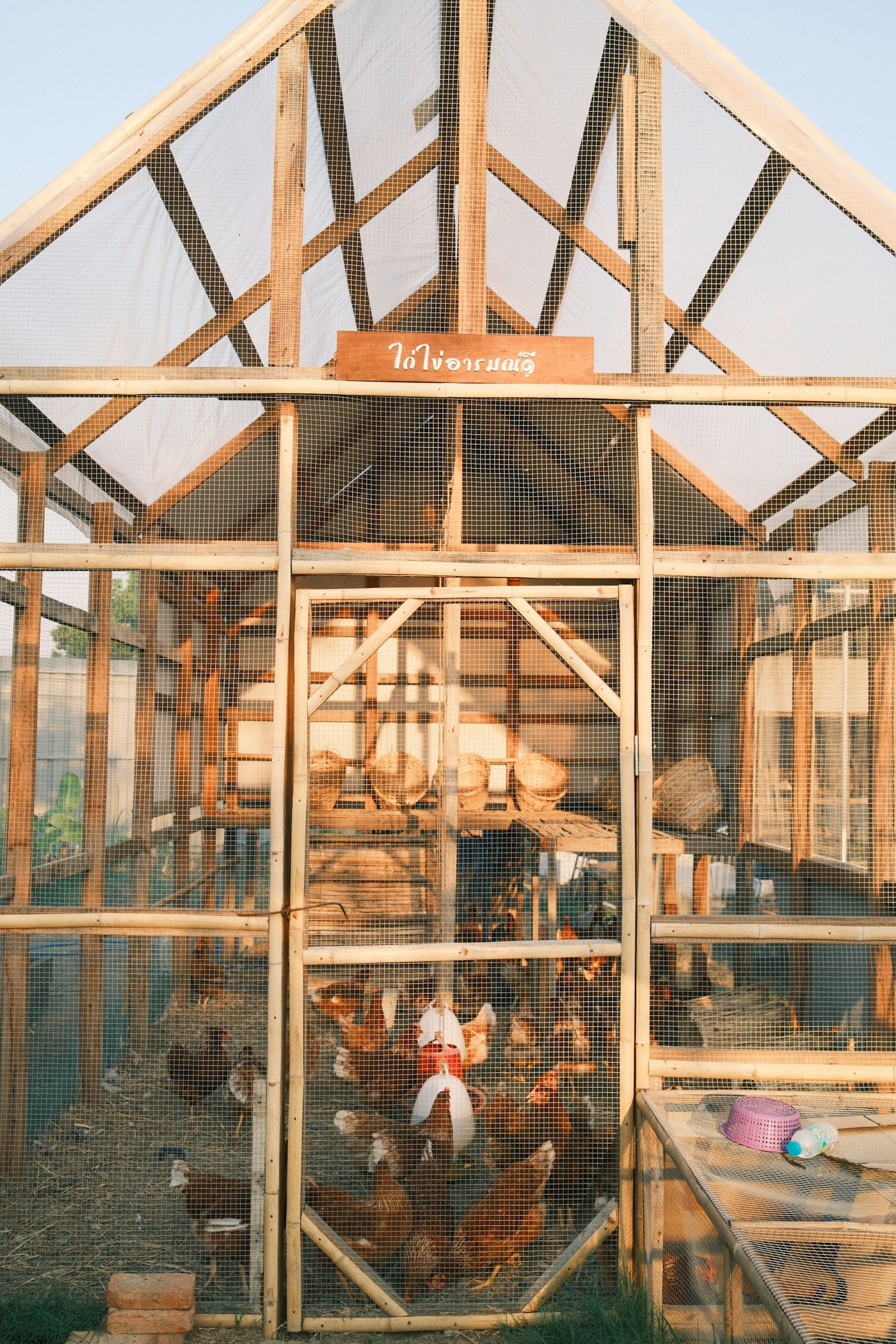
Keep eggs clean before they are laid.
- Provide enough nest space and replace damp, manure-stained, or broken-egg material promptly.
- Place nests away from roosts so sleeping birds do not soil them overnight.
- Keep floor litter dry so hens do not track mud and manure into boxes.
- Correct water leaks and collect broken eggs immediately.
- Discourage floor nests by making boxes accessible, shaded, and appealing before laying begins.
Special weather routines.
Collect more often when
- Temperatures are freezing
- Heat is extreme
- Eggs are being pecked
- Hens share few boxes
- Predators or snakes are active
- A broody hen occupies a nest
Cold eggs can freeze and crack. Hot eggs lose quality faster, and a hot coop may also signal dangerous heat stress. During weather extremes, shorten the time eggs remain in the nest and correct ventilation, shade, water, or nesting problems affecting the flock.
What to do with damaged eggs.
Discard cracked or leaking shell eggs.
Do not place them in the household carton, and do not feed raw damaged eggs back to the flock. Clean broken contents from nests promptly, replace soiled bedding, and wash hands and collection equipment.
Repeated thin, soft, misshapen, or heavily soiled eggs are a reason to review hen age, complete feed intake, calcium access for actively laying hens, heat stress, crowding, disease signs, and nest sanitation. Seek Extension or veterinary guidance when the pattern persists.
Collection records that actually help.
Record the date, total eggs, cracked or dirty eggs, unusual shells, hidden nests, broody hens, and major weather. A simple weekly total makes production changes easier to recognize without turning the routine into paperwork.