Healthy is active, balanced, and consistent.
A healthy chicken is generally alert, responsive, interested in food and surroundings, and able to walk and perch normally. Individual birds differ, and temporary changes can occur during heat, molting, broodiness, or after stress. Look for a pattern and compare each bird with its usual behavior.
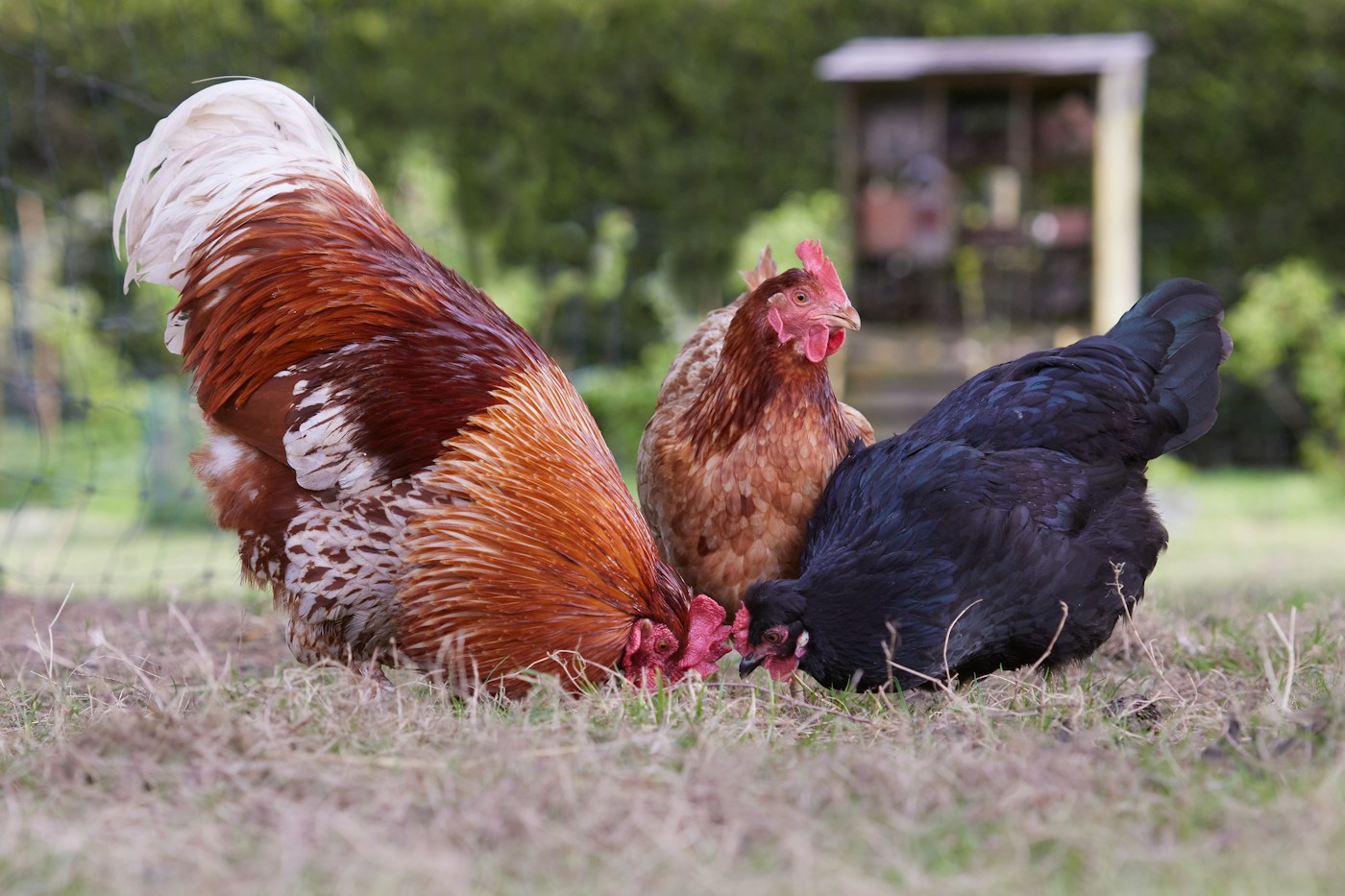
The no-catch daily scan.
- Observe from a distance. Watch before the flock changes behavior because you entered.
- Count every bird. A hidden chicken may be laying, broody, trapped, injured, or ill.
- Watch the flock move. Note limping, weakness, a dropped wing, tail held down, or a bird repeatedly separating.
- Listen. Breathing should be quiet; coughing, wheezing, gasping, or repeated sneezing deserves attention.
- Confirm eating and drinking. Make sure timid birds can reach the equipment.
- Check the day's output. Notice unusual droppings, egg changes, or a sudden flock-wide production drop.
What to look for from beak to feet.
Healthy signs
- Bright, open eyes
- Clean nostrils
- Quiet, easy breathing
- Species-normal comb color
- Smooth, purposeful movement
- Clean vent area
- Even weight-bearing
- Normal appetite and thirst
- Head: eyes open and clear; nostrils free of crust and discharge; beak aligned enough to eat and drink.
- Comb and wattles: color varies by breed, sex, age, temperature, and laying status. Sudden pallor, bluing, swelling, blackening, or injury matters more than a single “ideal” color.
- Breast and body: the breast muscle should not be rapidly wasting. A prominent keel with little muscle may suggest poor condition.
- Feathers and skin: feathers should fit the bird's life stage. Molting can look rough, but active bleeding, severe pecking, crusts, or heavy parasite activity are not normal.
- Vent and abdomen: the vent should be reasonably clean. Swelling, straining, persistent prolapse, or a rapidly enlarged abdomen needs prompt attention.
- Legs and feet: watch for swelling, heat, curled toes, lifted scales, overgrown nails, limping, or a dark footpad scab.
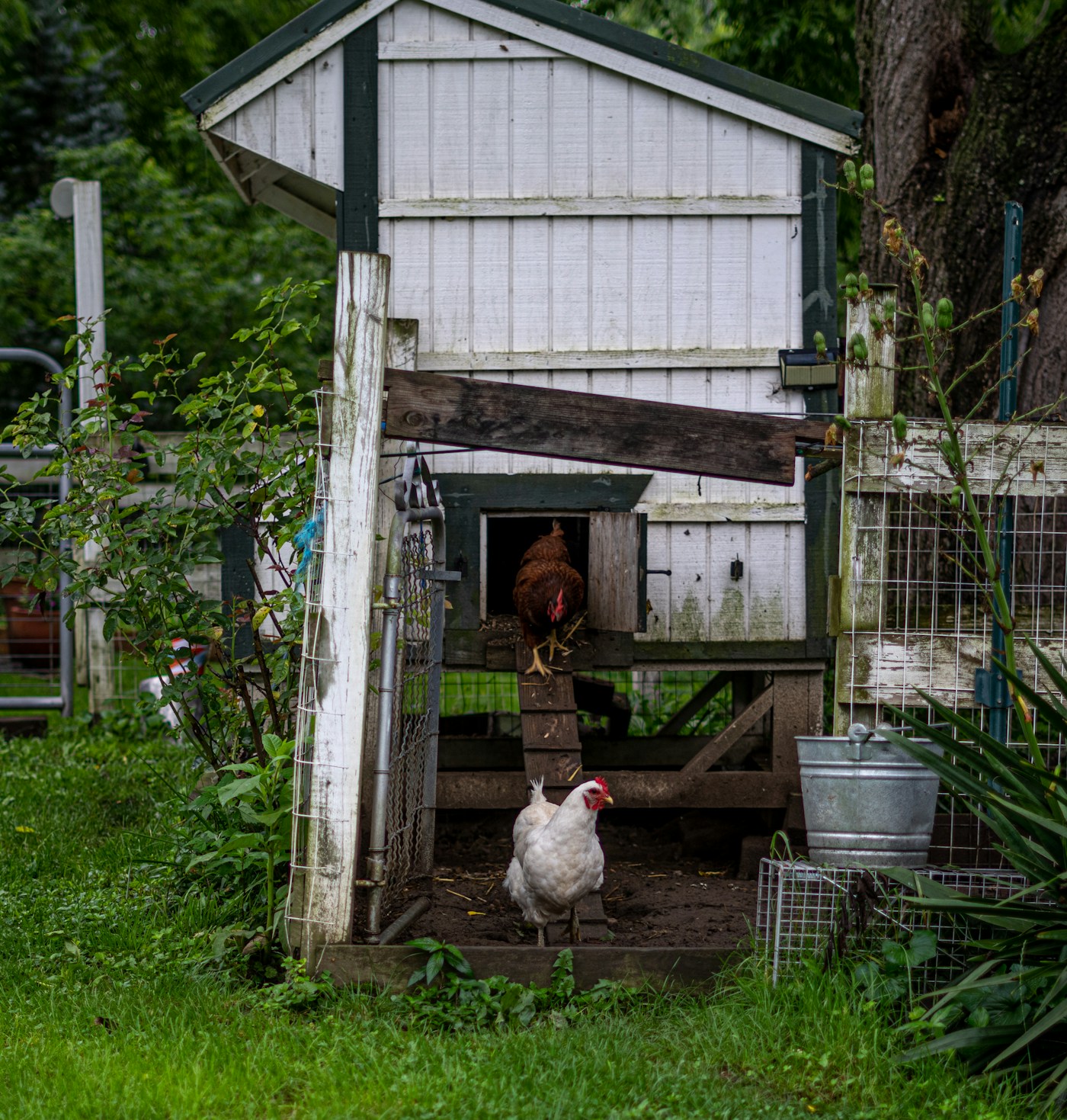
A calm weekly hands-on check.
Handle birds after dark or in dim light when possible. Support the body and wings, keep the airway clear, and work over a safe surface. Check body condition along the breast, look under wings and around the vent for parasites, inspect the feet, and note injuries or swelling. Weighing a few birds regularly can reveal a trend before it is obvious by sight.
Droppings: look for trends, not a perfect picture.
Chicken droppings naturally vary with diet, water intake, time of day, and cecal emptying. One unusual dropping is less informative than persistent watery, bloody, black-tarry, bright-green, or parasite-filled droppings—especially when paired with weakness, appetite loss, or several affected birds.

Get prompt veterinary or animal-health guidance.
- Labored breathing, gasping, blue or purple comb, seizures, or collapse
- Inability to stand, major trauma, uncontrolled bleeding, or predator injury
- Straining with suspected egg binding, persistent prolapse, or rapidly swollen abdomen
- Several birds sick at once, sudden sharp feed or water decline, or unexpected deaths
Move an affected bird to a quiet, secure isolation space with appropriate food and water, but do not delay professional advice. Sudden unexplained illness or deaths may require reporting to state or federal animal-health authorities.
Keep a simple flock health log.
Record the date, bird or pen, appetite, water use, egg count, droppings, weight if available, visible signs, injuries, treatment directed by a veterinarian, and outcome. A short log makes gradual changes easier to see and gives a veterinarian better information.
Research-based references
- Utah State University Extension: Basics for Raising Backyard Chickens
- Utah State University Extension: Avian Influenza Awareness
- Penn State Extension: Biosecurity—Protecting Your Birds From Disease
- University of Minnesota Extension: Raising Chickens for Eggs
This guide supports observation; it does not diagnose disease. Contact an avian veterinarian for individual medical advice.