Normal quail are alert, quick, and easy to overlook.
Healthy Coturnix usually stand evenly, move with purpose, investigate feed, drink normally, preen, dust bathe, and settle with their group. Learn each pen's normal rhythm. A bird that remains still, fluffs continuously, closes its eyes, or separates deserves a closer look.
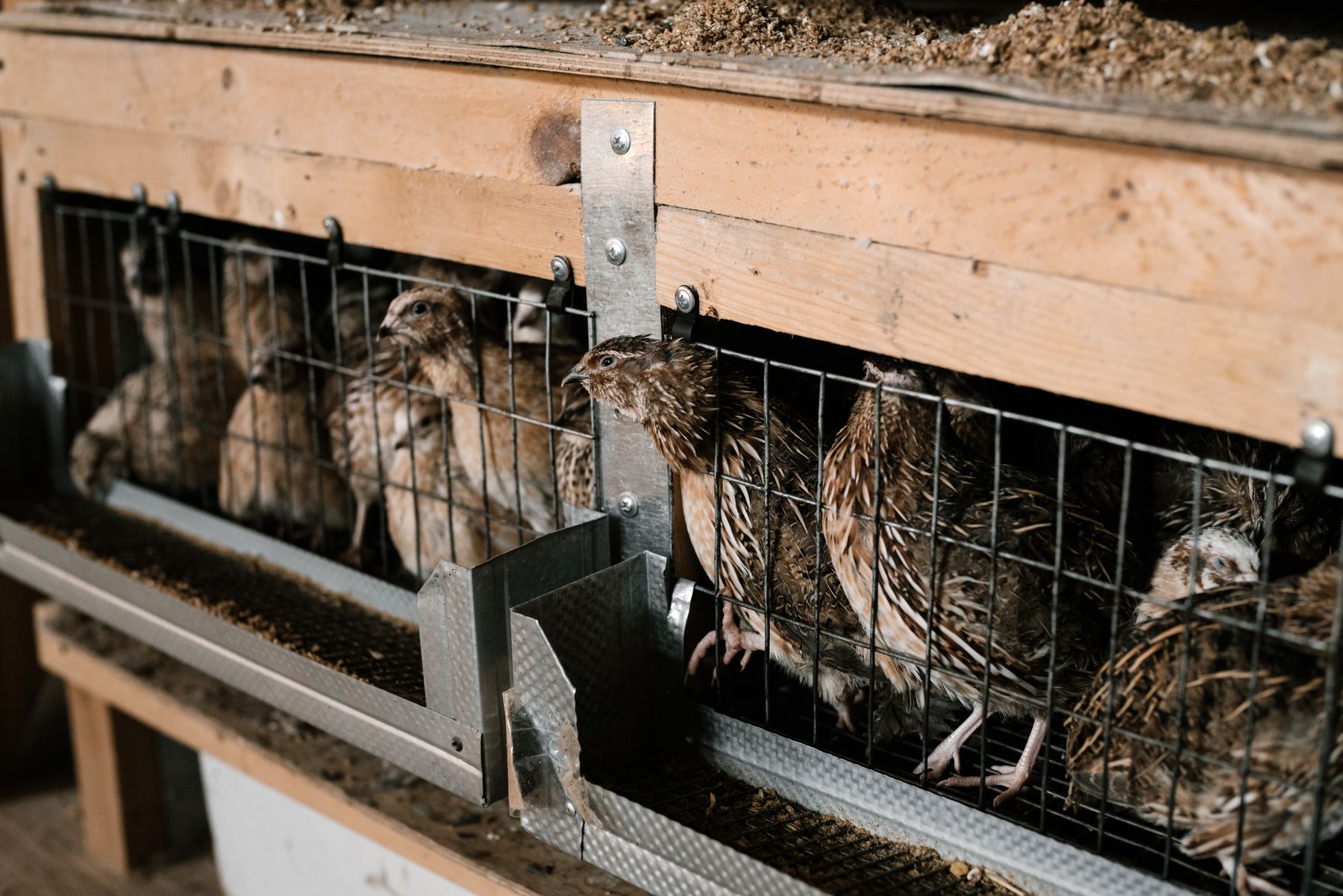
The daily pen-side health scan.
- Pause before opening. Sudden movement makes quail scatter and can hide subtle signs.
- Count every bird. A missing quail may be concealed, trapped behind equipment, injured, or escaped.
- Scan posture. Look for persistent fluffing, a drooped wing, head tilt, tail pumping, or crouching away from the group.
- Watch walking. Note limping, curled toes, slipping, swollen joints, or reluctance to bear weight.
- Listen to breathing. Gasping, clicking, wheezing, discharge, or repeated head shaking needs attention.
- Confirm access. Watch that lower-ranking birds can reach fresh feed and flowing water.
Head-to-toe healthy signs.
Look for
- Open, bright eyes
- Clean nostrils
- Quiet breathing
- Balanced stance
- Smooth movement
- Clean vent feathers
- Healthy footpads
- Steady appetite
- Eyes and face: clear and open, without swelling, foam, crust, or persistent closure.
- Beak and nostrils: clean enough for normal eating and breathing, with no thick discharge.
- Feathers: reasonably smooth for the bird's age and molt stage. Active bleeding, severe scalp injury, bald areas from aggression, or heavy parasites require action.
- Breast and weight: body condition should remain stable. Because feathers hide weight loss, regular weighing is especially useful.
- Vent and abdomen: vent feathers should not remain heavily soiled. Straining, prolapse, or sudden abdominal enlargement needs prompt help.
- Feet: check toe position, nails, swelling, pressure sores, and dark footpad scabs. Provide solid resting areas if birds are housed on wire.
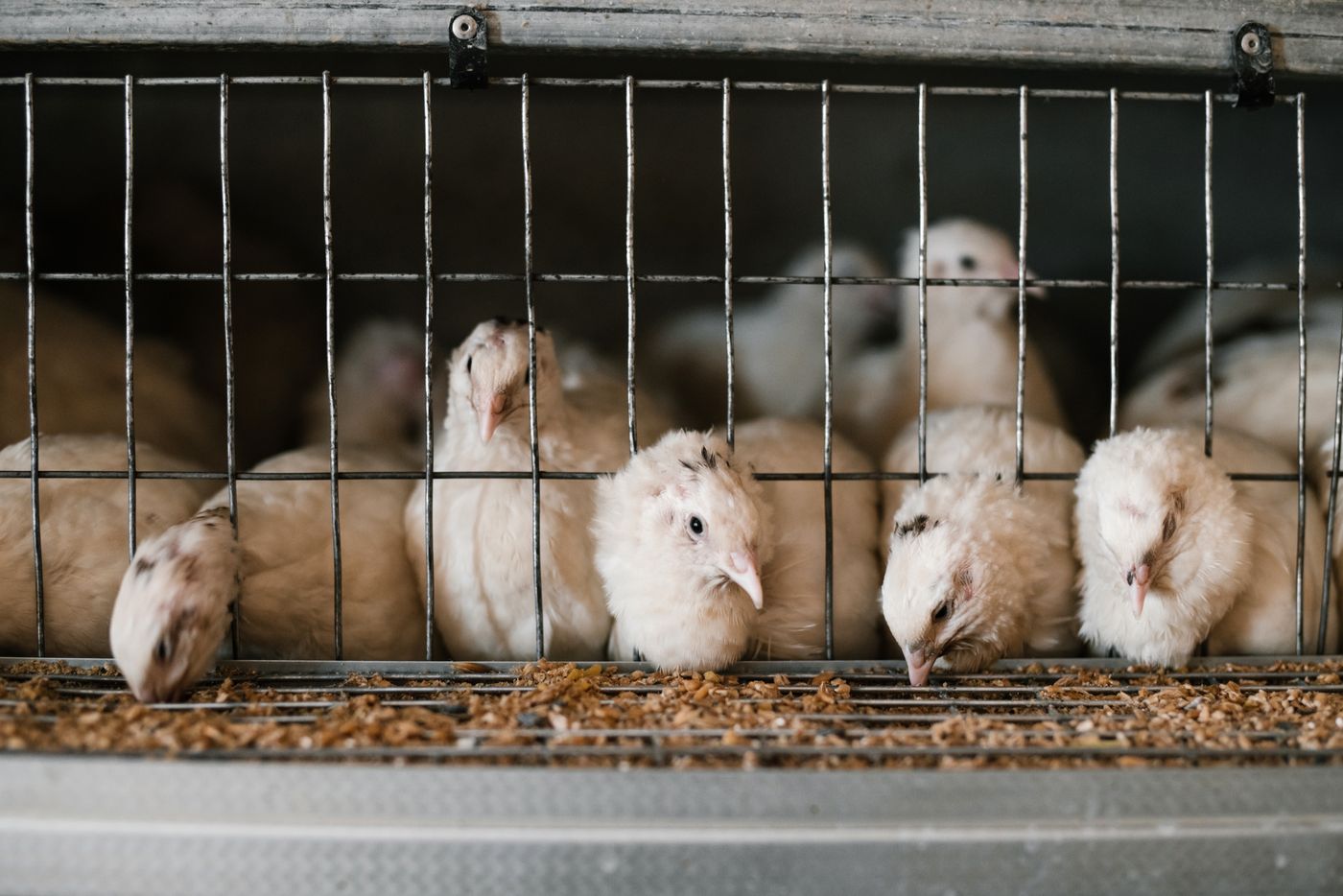
Handle quail safely for a closer check.
Work in a closed room or enclosure and block escape gaps first. Keep hands low because quail can launch vertically when startled. Cup the body with the wings supported; never hold by a wing or leg alone, and avoid compressing the chest. Examine over a table or padded container so a dropped bird cannot fall far.
Separate aggression from illness.
Scalp wounds, back feather loss, chasing, and birds hiding from a dominant male may reflect crowding, an unsuitable male-to-female ratio, limited feeder space, or incompatible birds. Injury and stress can quickly become a health problem. Separate an aggressor or injured bird safely, correct the environment, and do not return a bleeding bird to active pecking.
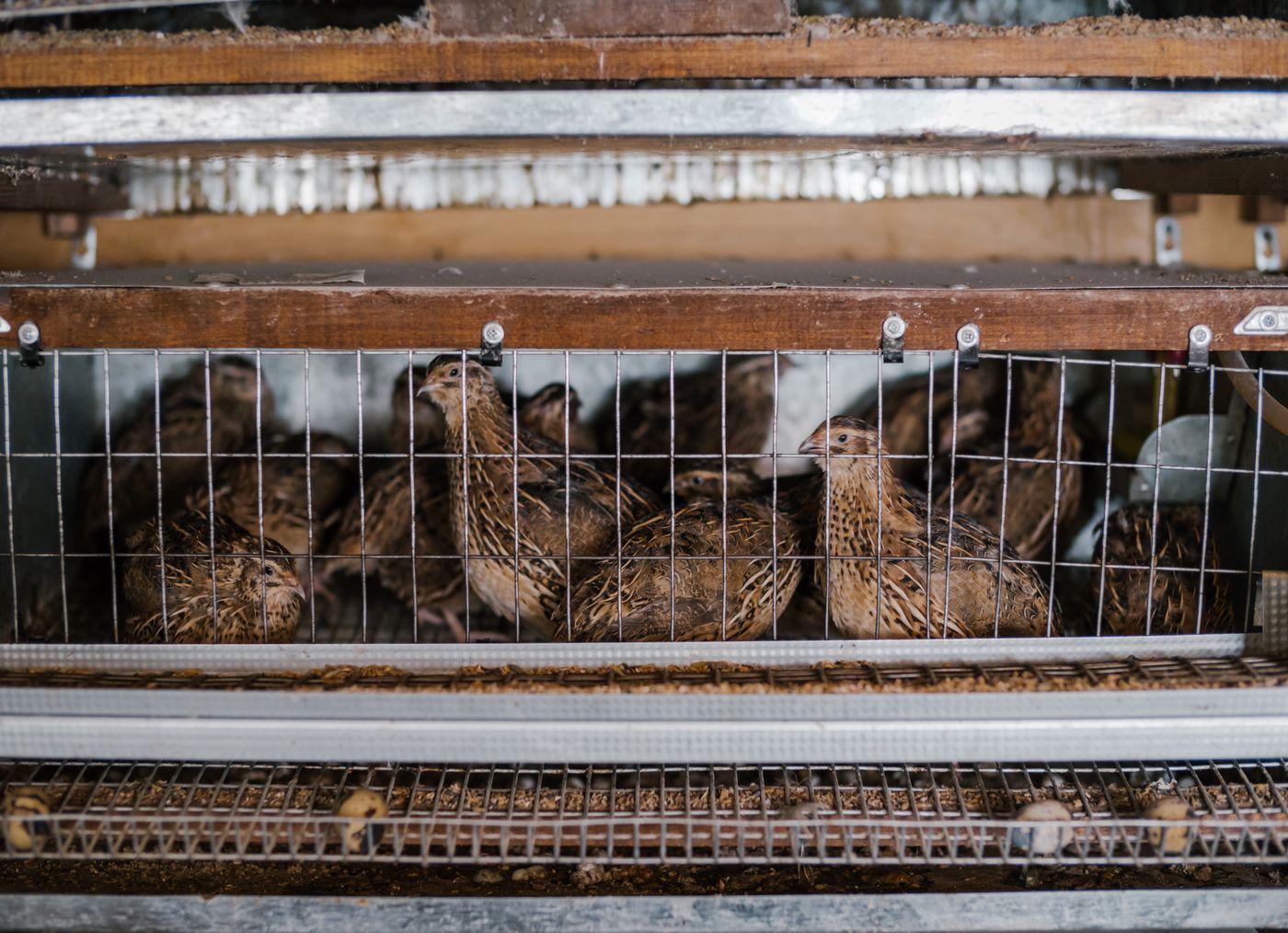
Droppings, eggs, and pen-level clues.
One odd dropping or egg may not identify a problem. Repeated watery, bloody, black, bright-green, or parasite-filled droppings—especially with weakness or several affected birds—deserve veterinary guidance. Also investigate a sudden pen-wide drop in feed, water, or eggs; equipment failure and heat stress can affect many birds quickly.
Act promptly.
- Gasping, severe breathing effort, collapse, seizures, or inability to stand
- Major bleeding, head trauma, broken limb, or predator injury
- Straining, suspected egg binding, prolapse, or rapidly swollen abdomen
- Multiple sick birds, sudden consumption change, or unexpected deaths
Place the bird in a quiet, secure hospital enclosure with appropriate feed, water, footing, and temperature, then contact an avian veterinarian or Extension poultry specialist. Sudden unexplained illness or deaths may require reporting.
What to record.
Log the pen, date, bird ID or description, weight, appetite, water use, droppings, eggs, injuries, symptoms, environmental temperature, equipment problems, professional advice, and outcome. Trends across the pen are often more informative than a single snapshot.
Research-based references
- Mississippi State University Extension: Feeding Quail
- University of Minnesota Extension: Raising Game Birds
- Penn State Extension: Biosecurity—Protecting Your Birds From Disease
- Utah State University Extension: Avian Influenza Awareness
This guide supports observation; it does not diagnose disease. Contact an avian veterinarian for individual medical advice.